Welding Flanges
Your comprehensive digital resource for welding flange technical data, dimensions, specifications, and custom configuration
Welding Flanges is your go-to resource for technical data, dimensions, and specs on industrial piping components. We're here to help engineers and procurement specialists cut through the complexity of choosing the right weld flange for basic structural and high-pressure applications - because getting that decision right matters.
We'll give you the data you need to feel confident in your selection. When it's time to actually source the parts, reach out to Texas Flange - a trusted supplier with a wide inventory and fast turnaround. Whether you need a specific pipe flange or something custom-fabricated, get in touch and receive a quote today.
Material Grades & Specifications
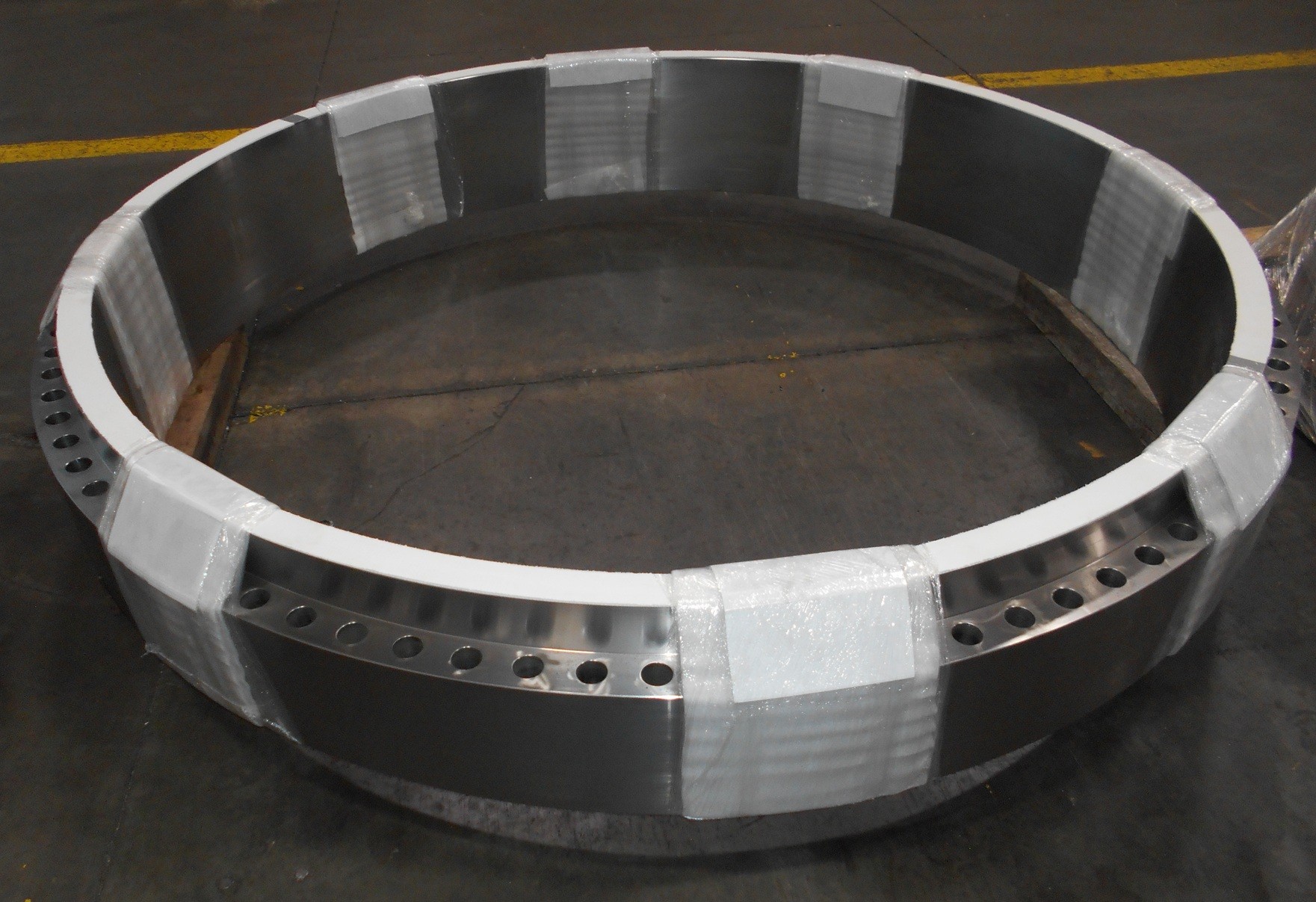
Welding flanges are critical piping components designed to be permanently attached to a pipe system via a welding connection, ensuring superior joint integrity and leak prevention. Unlike threaded options, a weld flange - such as a Weld Neck, Slip-On, or Socket Weld - is engineered for high-pressure and high-temperature applications where safety is paramount. Selecting the correct pipe flange specification is essential for maintaining flow efficiency and structural stability. For extensive inventories and immediate procurement needs, we direct all users to Texas Flange, a premier flange supplier capable of meeting complex industrial requirements. They have a wide selection of carbon, stainless, and nickel alloys to meet various application requirements. All items can be selected to adhere to ASME and ANSI B16.5 and B16.47 specifications, as well as some AWWA and API.
Your Welding Flange Guide
The longevity of any piping system depends heavily on the material composition of its components. Whether your project requires a standard carbon steel pipe flange for general utility or a stainless steel weld flange for corrosive environments, adhering to strict ASME and ASTM standards is non-negotiable. Using the wrong material grade can lead to critical failure under high pressure. For fully certified materials and complete mill test reports, we recommend partnering with a trusted flange supplier. Visit Texas Flange to browse their comprehensive catalog of verified welding flanges and ensure your project meets all safety codes.
Frequently Asked Questions
What is the main advantage of using a welding flange over a threaded flange?
A welding flange provides a much stronger and more reliable connection than threaded alternatives, making it the standard for high-pressure and high-temperature applications. By permanently fusing the pipe flange to the piping system, you eliminate potential leak paths and increase structural integrity. For critical industrial projects, we always recommend consulting with a qualified flange supplier like Texas Flange to ensure you select the right pressure class.
Can I order custom dimensions or non-standard welding flanges?
Yes. While standard ANSI/ASME dimensions cover most needs, many industrial projects require custom machining. Finding a flange supplier with in-house machining capabilities is crucial for these requests. We recommend contacting Texas Flange, as they specialize in custom manufacturing and can provide a rapid quote for non-standard pipe flange dimensions.
What are the most common types of welding flanges?
The three most prevalent types are the Weld Neck, Slip-On, and Socket Weld flanges. A Weld Neck weld flange is ideal for severe service conditions due to its tapered hub, while Slip-On flanges are popular for lower pressure applications due to ease of alignment. You can view detailed specification sheets for all these types on the Texas Flange website before you buy.
How do I request a quote for a bulk order?
Sourcing for large projects requires a partner who can handle logistics and volume pricing. To get the most accurate and competitive pricing, you should submit a bill of materials directly to a distributor. You can submit your list directly through the Texas Flange "Request a Quote" portal to get immediate pricing on welding flanges and other pipe fittings.
How do I know which material grade to choose for my pipe flange?
Material selection depends entirely on the fluid being transported and the operating environment. Common materials include carbon steel for general use and stainless steel or alloys for corrosive environments. To ensure safety compliance, your welding flanges should meet ASTM and ASME standards. Texas Flange offers a vast inventory of certified materials and can help match your requirements to the correct stock.
What is the difference between Raised Face (RF) and Flat Face (FF) flanges?
The facing determines how the gasket seals the connection. A Raised Face weld flange is standard for most high-pressure applications as it concentrates pressure on a smaller surface area. Flat Face designs are typically used when mating to brittle materials like cast iron valves. Using the wrong facing on a pipe flange can cause damage, so we recommend checking the technical datasheets available at Texas Flange, your trusted flange supplier, to ensure you select the correct configuration.
Ready to Source Your Welding Flanges?
Contact Texas Flange for competitive pricing and rapid delivery on all welding flange types.
Request a QuoteContact Us
Phone: +1 281 484-8325
Email: sales@texasflange.com